Get Involved · Education & Training
Workshops & further training
Snatch, jerk and long cycle: get to know the movements, refine your technique and take away new ideas for your training.
For beginners and advanced athletes – with practical exercises, individual corrections and room for your questions.
Find your focus
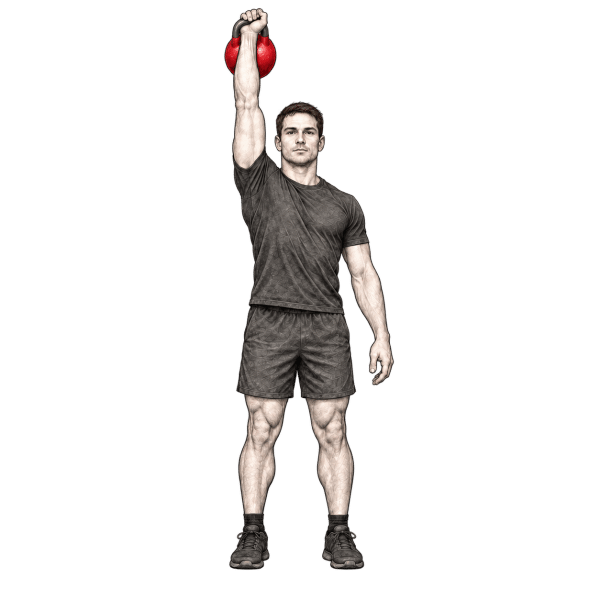
Snatch
From swing and clean to snatch: build the basics and refine the movement step by step.
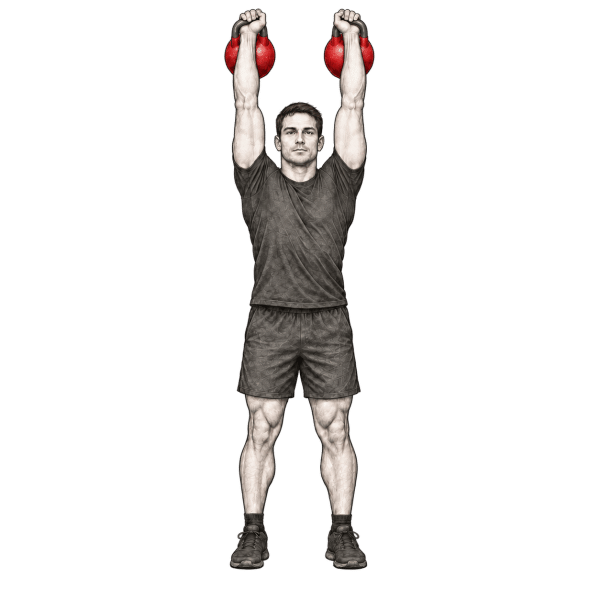
Jerk
Rack position, leg drive and overhead fixation: understand and connect the individual phases.
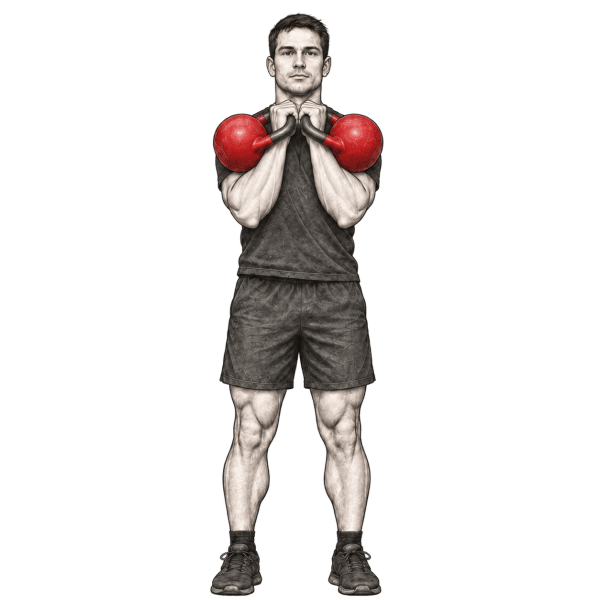
Long Cycle · clean & jerk
Combine clean and jerk into a controlled, rhythmic sequence of movement.
What to expect in the workshops
Snatch workshop · content & procedure
Learn the kettlebell snatch from scratch or work specifically on your existing technique. The workshop combines preparatory exercises with practical work on the snatch.
Content
- Snatch step by step: movement structure, technique and common mistakes.
- Swing variations: get to know and classify the Russian swing, American swing and one- and two-handed variations.
- Clean technique: practise the clean and integrate it sensibly into training.
- Assistance exercises: supplementary exercises for strength and stability.
- Individual feedback: corrections and tips tailored to your level of experience.
Practical procedure
After the introduction and warm-up, you practise the preparatory movements. Building on this, the snatch is demonstrated and worked through in clear steps. Practice phases with personal corrections, assistance exercises and a joint Q&A session round off the workshop.
Jerk workshop · content & procedure
The focus is on jerking the kettlebell from the rack position overhead. You get to know the individual phases of the movement and work on how they fit together.
Content
- Rack position: starting position, posture and preparation for the jerk.
- Leg drive: initial dip, leg extension and undersquat in individual practice steps.
- Overhead position: controlled fixation and return to the rack position.
- Rhythm & breathing: develop an even flow of movement.
- Assistance exercises: supplementary work on mobility, strength and stability.
- Technique feedback: recognise typical mistakes and work on them with suitable exercises.
Practical procedure
After the warm-up and preparation, the rack position and leg drive are practised separately. You then combine the phases into the full jerk. Individual corrections, short practice sets and questions about applying it in your own training round off the workshop.
Long cycle workshop · content & procedure
The long cycle combines the clean with the jerk. The workshop covers both parts of the movement and especially the transitions between them.
Content
- Clean: backswing, clean and arrival in the rack position.
- Jerk: leg drive, jerk and fixation overhead.
- Transitions: return to the rack position and the next clean.
- Rhythm & breathing: combine both movements into repeatable sequences.
- Assistance exercises: targeted supplements for the individual movements.
- Individual feedback: adapt technique and exercise selection to your own learning level.
Practical procedure
To start with, the clean and jerk are looked at and practised separately. You then combine both elements into the long cycle. The focus is on controlled transitions and an appropriate rhythm. Practice sets with corrections and a Q&A session help you transfer what you've learned to your own training.
Exercise selection and focus areas are adapted to the group's level of experience. The specific scope is described in the respective workshop announcement.
Who are the workshops for?
For beginners who want to get to know the movements and advanced athletes who want to refine their technique. Coaches and fitness enthusiasts also get ideas for their own practice.
Learn step by step
Demonstrations, preparatory exercises and practical repetitions make the movements easy to understand.
Personal feedback
Individual corrections help you find the right next steps for your technique.
Questions & exchange
Discuss your own experiences and take away concrete ideas for your further training.
Which workshop suits you?
Tell us your preferred discipline and your level of experience. We'll help you choose. Clubs and training groups can also request a workshop.